-

- Mariana Abdalla/MSF
-

- Mariana Abdalla/MSF
-

- Mariana Abdalla/MSF
| Photo Gallery


| Photo Gallery

Videos | In the state of Mato Grosso, Brazil, patients and experts talk about the pain and consequences of living with leishmaniasis, a neglected disease.
A video, documentary journalistic series produced by the Drugs for Neglected Diseases initiative (DNDi) in Latin America, a collaborative, patients’ needs-driven, non-profit drug research and development (R&D) organization that is developing new treatments for neglected diseases.
350 million people in 98 countries are at risk of contracting leishmaniasis, a disease caused by Leishmania, transmitted by sandflies. Although there is some progress in drug development, especially for visceral leishmaniasis (also known as kala-azar), current drugs remain expensive, toxic, difficult to administer, or ill-suited for use in remote areas. There is a lack of adequate treatment in Africa and Latin America. While there are some treatments recommended by WHO, sustainable access to treatment is not widely available in endemic countries.
A young mother struggles to access treatment and support, and give a better life for her family since burdened with cutaneous leishmaniasis.
João Lucas was only 8 months old when he was diagnosed with visceral leishmaniasis. This video is a tribute to his early-on struggles and a celebration of his successful treatment.
Moacir struggles with diffuse cutaneous leishmaniasis, a disease with horrific physical and psychological burdens, and the lack of available and accessible treatments for 25 years.
A young, working boy, almost loses his means and motivation when treating against visceral leishmaniasis, a fatal disease.
A Master’s academic and professional thesis project, “What’s Your Story” or “First person narratives for nonprofit public relations: Empathy, engagement, empowerment, and change,” focuses on the prospect of narrative, non-fiction, first-person short videos for nonprofit organizations as an effective means to bring about empathy and behavioral change through digital social sharing – How can the use of such narratives be a valuable strategy to transform how we perceive, connect, and, ultimately, help others?
The thesis project draws upon public relations and transportation theory to address the current communication activities and challenges of Women AdvaNCe: a nonpartisan organization committed to delivering thoughtful knowledge, advocacy content and building a network and community for women leaders and leaders-to-be in North Carolina.
In addition, during the spring of 2017, two short documentary-style films were produced to assist WomenAdvaNCe in their communication and relationship-building efforts.
I completed my Master’s degree in strategic and visual communications at the School of Media and Journalism at the University of North Carolina at Chapel Hill, which I attended as a Rotary Peace Fellow.
Watch me present at the Rotary Peace Center conference!
Video | A man, a leader, a husband, a father – Kennedy Imedi works with youth in his village to raise awareness about reproductive health issues and inspire the next generation of community leaders.
#
UNC School of Journalism/CARE International project conducted in Ntcheu, Malawi, March 2015.
Visit the project website at www.raisingthescore.org
Promotional video created as a photography and video assistant || Arts@TheCore brings the arts to the heart of UNC’s academic mission, enriching the arts experience for students, faculty, and the Carolina community, and strengthening the bonds between academics and Carolina Performing Arts.


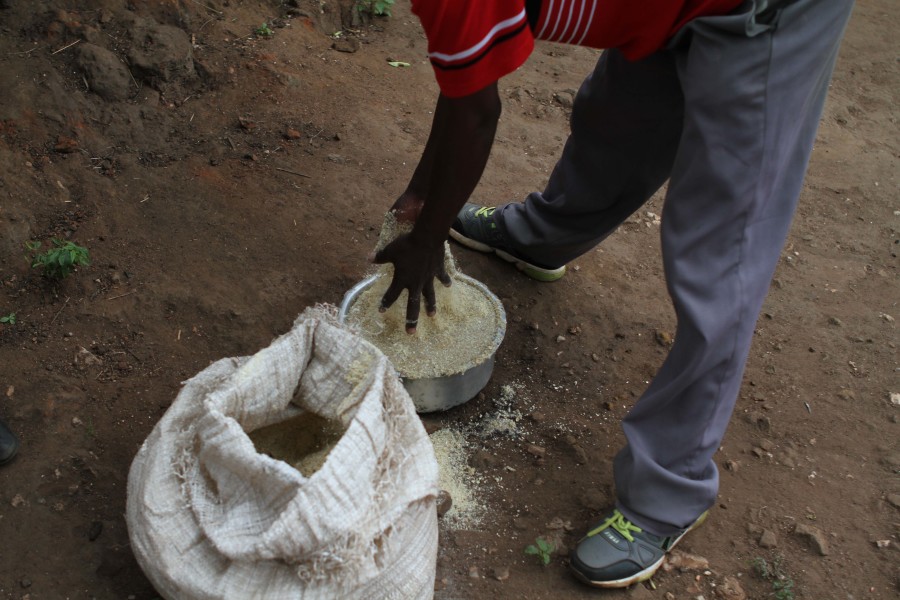


| Photo Gallery | Ntcheu, Malawi, 2015.


| Photo Gallery | Denmark, 2015


| Photo Gallery | Cuiabá, Brazil, 2016
Part of a narrative storytelling project developed for the Drugs for Neglected Diseases initiative, an international not-for-profit health organization.
350 million people in 98 countries are at risk of contracting leishmaniasis, a disease caused by Leishmania, a parasyte transmitted by sandflies. Although there has been some progress in drug development, especially for visceral leishmaniasis (also known as kala-azar), current drugs remain expensive, toxic, difficult to administer, or ill-suited for use in remote areas. There is a lack of adequate treatment in Africa and Latin America. While there are some treatments recommended by WHO, sustainable access to treatment is not widely available in endemic countries.
Visit dndi.org
Video | On being a mother.